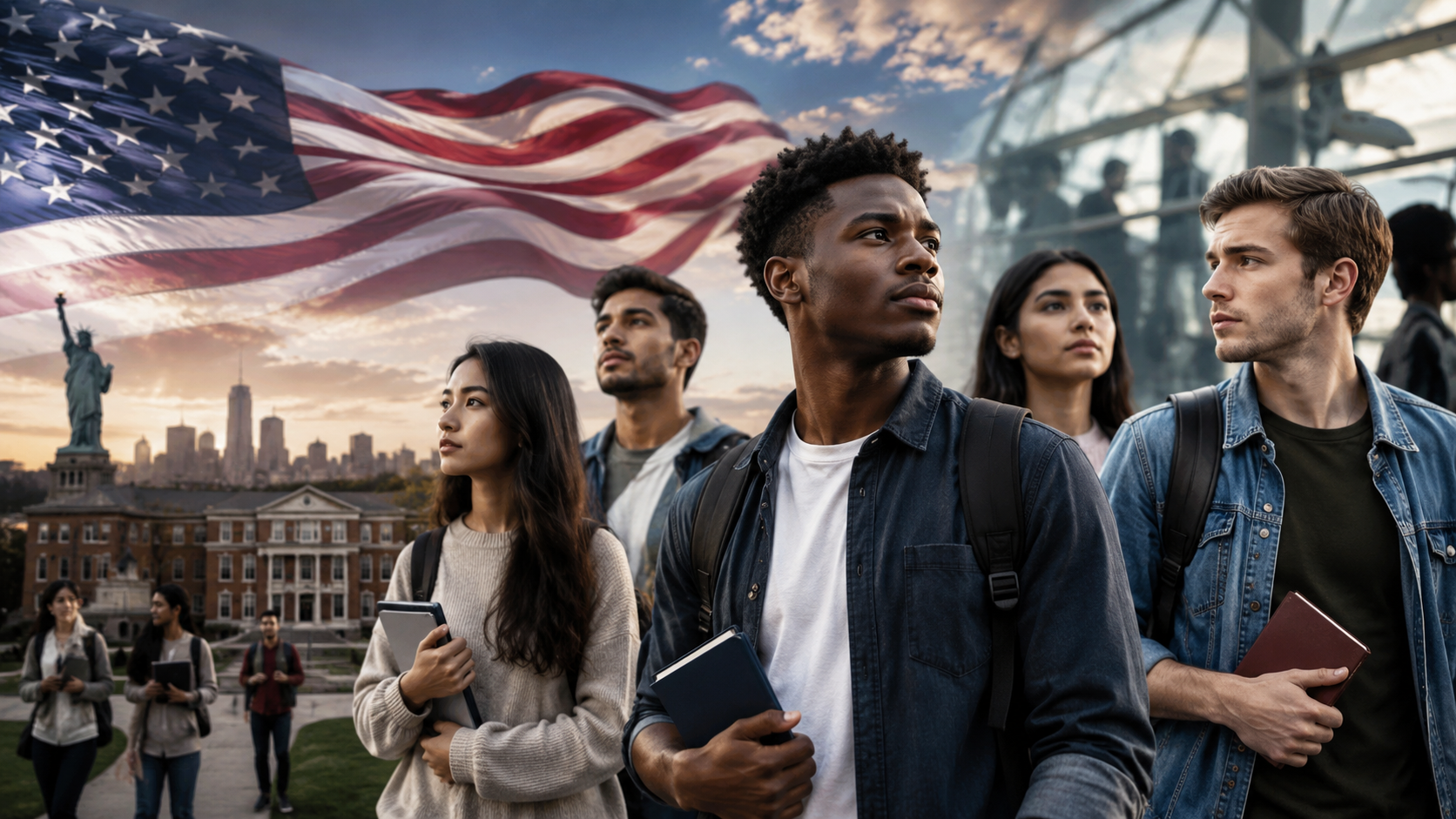
A major immigration policy proposal in the United States is raising concerns among international students, exchange visitors, and educational institutions around the world.
The US Department of Homeland Security (DHS) is reportedly reviewing a proposal that could end the long-standing “Duration of Status” (D/S) system for F-1 student visas, J-1 exchange visitor visas, and I visas for foreign media representatives.
For thousands of international students — including many Nigerians studying in the United States — this could significantly change how long they are allowed to remain in the country during their studies.
What Is “Duration of Status” (D/S)?
Under the current system, most international students entering the US on an F-1 visa are admitted for “Duration of Status.”
This means students can remain in the US for as long as they:
- Maintain full-time student status
- Follow immigration regulations
- Continue their approved academic program
Instead of receiving a fixed departure date, their stay is tied to the validity of their student status.
For years, this system has allowed students flexibility, especially those:
- Pursuing long academic programs
- Changing schools or majors
- Continuing into master’s or PhD studies
- Participating in Optional Practical Training (OPT)
What Could Change?
According to reports, DHS is considering replacing the D/S system with fixed periods of stay.
Under the proposed rule:
- Students may receive a limited admission period, potentially up to 4 years
- Students whose programs extend beyond that period may need to apply for extensions
- More immigration paperwork and biometric processing may be required
- Grace periods after graduation could become shorter
- Accruing unlawful presence may happen faster if status expires
This means international students may face more administrative processes during their studies.
Why Is the US Considering This Change?
Supporters of the proposal argue that fixed admission periods would:
- Improve immigration tracking
- Increase compliance monitoring
- Reduce visa overstays
- Strengthen national security procedures
However, critics say the changes could:
- Create uncertainty for international students
- Increase delays and processing backlogs
- Affect research programs and academic continuity
- Make the US less attractive compared to countries like Canada, the UK, and Australia
Many universities and immigration attorneys have already expressed concerns about the potential impact on higher education.
Is This Already Law?
No.
At the moment, the proposal is still under federal review and has not been fully implemented as official policy.
This is an important distinction because many social media posts are presenting the information as though the changes are already active nationwide.
Currently:
- F-1 students are still generally admitted under D/S
- Existing immigration rules remain in effect
- No immediate mass changes have been announced for current students
The final version of the rule — if approved — could still be modified before implementation.
How Could This Affect Nigerian Students?
Nigeria remains one of the leading African countries sending students to the United States. Any major immigration change affecting student visas could have a direct impact on Nigerian applicants and current students.
Potential effects may include:
- More frequent visa-related applications
- Higher immigration processing costs
- Increased pressure to maintain strict timelines
- Additional uncertainty for long-term programs
Students planning to study in the US may need to:
- Choose schools carefully
- Maintain accurate immigration records
- Apply for extensions early if required
- Stay informed through official immigration updates
What Should International Students Do Now?
While there is no need for panic, students should remain informed and proactive.
Here are a few smart steps:
- Follow updates from official US immigration sources
- Stay in close communication with your school’s international student office
- Avoid misinformation from viral social media posts
- Keep your immigration documents updated
- Plan ahead if your academic program may exceed four years
Final Thoughts
The proposed end of “Duration of Status” could become one of the most significant immigration changes affecting international students in recent years.
Although the policy is not yet fully implemented, it highlights the importance of staying informed about immigration developments in the United States.
For aspiring international students, preparation, accurate information, and proper guidance will become even more important in navigating future study abroad opportunities.