
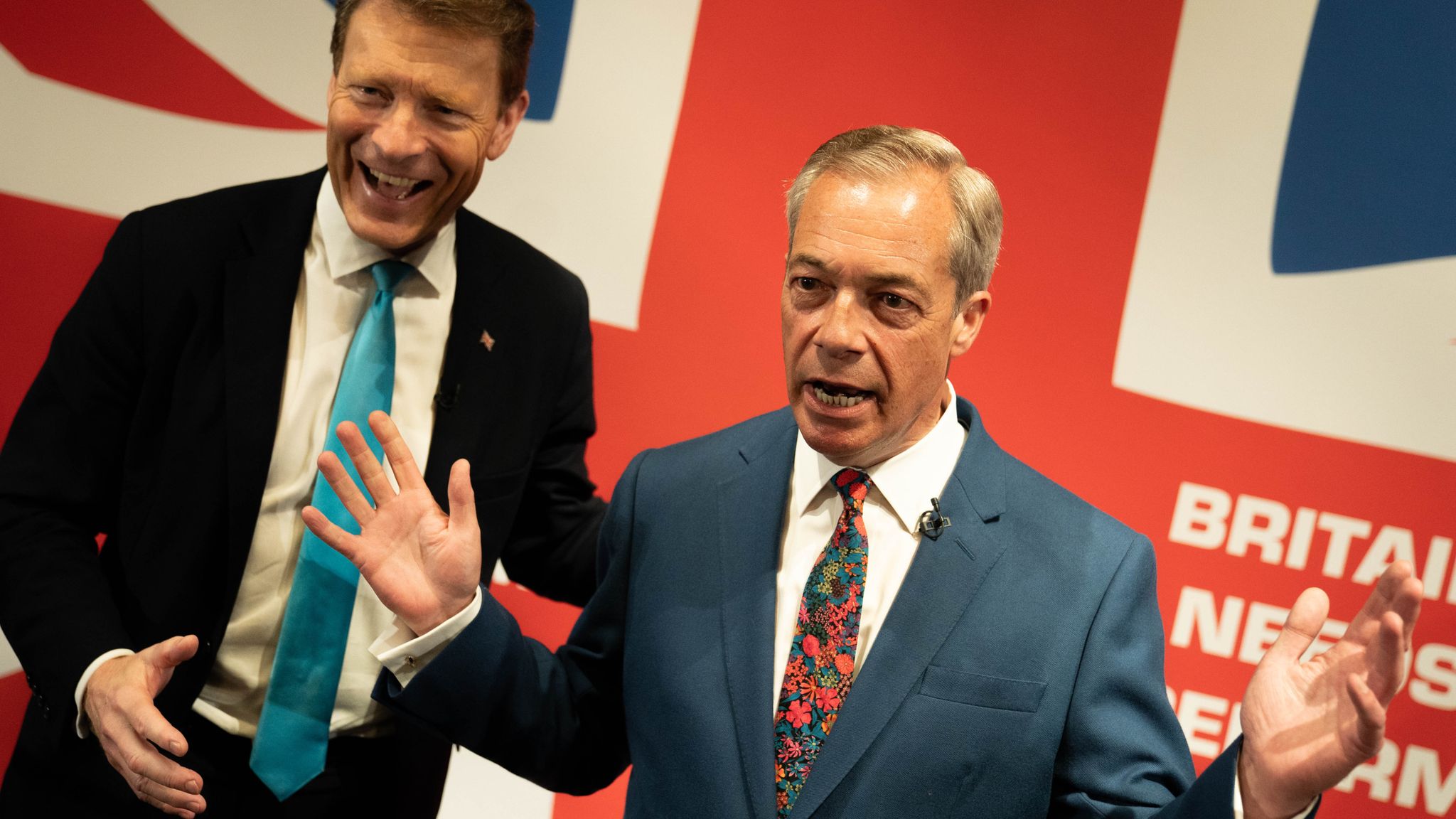
Reform UK, the right-wing political party, has floated a highly controversial immigration policy: denying UK visas to citizens of any country that demands reparations for the transatlantic slave trade and colonialism. It’s a bold, polarizing statement that has sparked intense debate across the globe.
But what exactly is the proposal, how likely is it to become law, and what does it mean for the ongoing worldwide conversation around historical justice? Let’s break it down.
The Policy: What is Reform UK Proposing?
The policy was announced by Reform UK’s home affairs spokesperson, Zia Yusuf. The premise is straightforward but sweeping: if a nation’s government formally requests financial compensation or reparative justice from the United Kingdom for historical slavery, its citizens will no longer be eligible for British visas.
The Rationale: Yusuf and Reform UK argue that modern Britain should not pay for the sins of the past, pointing to the UK’s historical role in outlawing the global slave trade in the 19th century and the resources spent enforcing that ban. Stating that the UK is “not an ATM for ethnic grievances of the past,” Yusuf declared that when it comes to reparations, the “bank is closed.”
Who is in the Crosshairs?
The policy specifically targets nations within the Commonwealth, the African Union, and the Caribbean Community (CARICOM).
This proposal feels incredibly direct for dozens of nations across multiple continents. Countries like Jamaica, Ghana, Barbados, and Nigeria, along with regional bodies, have been increasingly vocal in recent years about the need for formal apologies, the return of stolen cultural artifacts, and financial redress for the lasting economic impacts of colonialism and slavery.
Fact Check: Will This Become Law?
Short answer: No, not right now. While Reform UK is using this policy to galvanize their voter base ahead of the 2029 general election, they currently hold only 8 seats in the UK Parliament. They do not have the legislative power to enact this policy.
Furthermore, the current UK Government has completely dismissed the idea. Prime Minister Keir Starmer’s administration has clarified that this is not official Home Office policy. While Starmer himself has stated he prefers to “look to the future” rather than negotiate historical financial reparations, his government has zero plans to weaponize the visa system against Commonwealth or former colonial nations.
The Global Pushback
Unsurprisingly, the international response was swift and severe. Leaders across Africa, the Caribbean, and the broader global diaspora have condemned the proposal. Hilary Beckles, chair of the CARICOM Reparations Commission, called the policy “tragic” and described it as a “legacy of toxic racism.” Critics argue that the policy is a form of collective punishment, threatening the mobility, education, and livelihoods of everyday citizens simply because their governments are seeking historical accountability.
The Bigger Picture
Whether this policy ever sees the inside of the Home Office or remains a mere political talking point, it highlights a deepening global divide. On one side, there is a push within some Western nations to draw a firm line under the past; on the other, a growing international movement demanding that historical wounds be formally and financially addressed.
Have Your Say 🗣️
This is a complex, deeply emotional, and highly political issue that touches on global history and modern diplomacy. We want to hear your perspective, no matter where you are reading from.
- Do you think tying immigration and visas to international political demands is a fair diplomatic tool, or does it amount to collective punishment?
- How does it impact global relations when travel and mobility are heavily politicized?
- How should former colonial powers and impacted nations navigate the deeply painful conversation about reparations moving forward?
Drop your thoughts in the comments below. Let’s keep the global conversation respectful, insightful, and open.